Easy Knit Dishcloth: Free Beginner Crochet Pattern
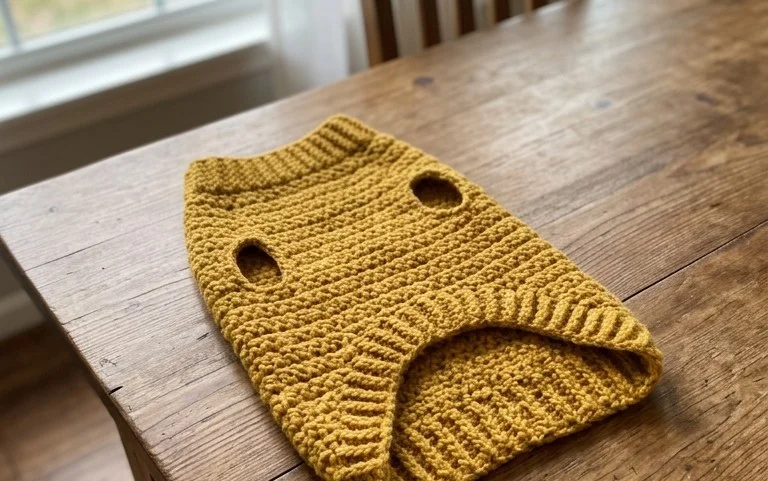
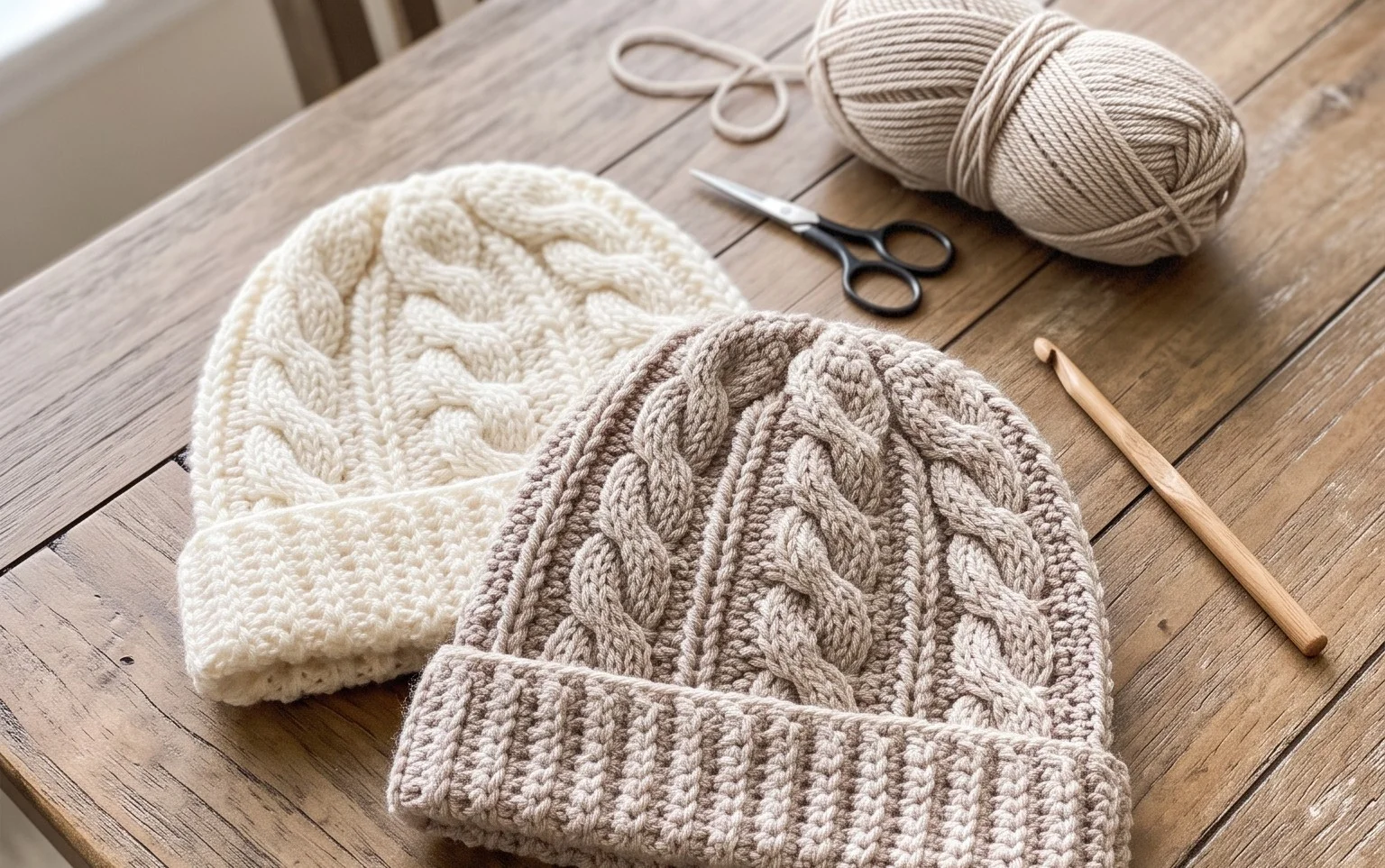
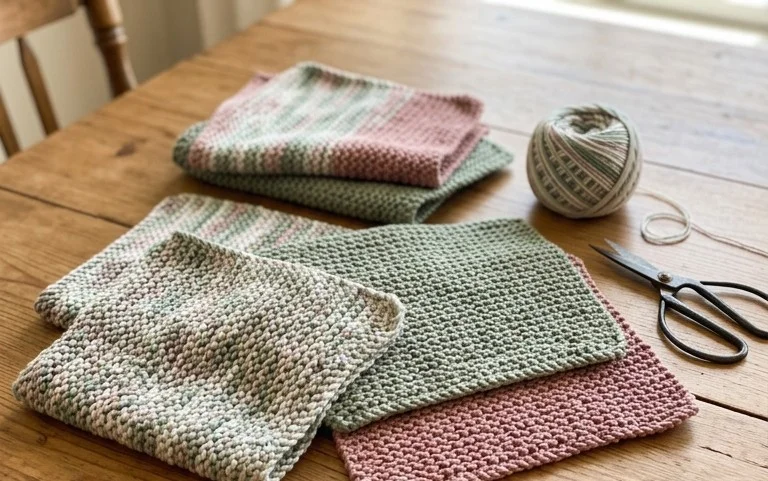
A fresh cotton dishcloth has a unique, nubby texture that synthetic sponges simply cannot replicate. These handmade squares handle kitchen spills with ease and soften significantly after every trip through the washing machine. Beginners will find this project helpful because it relies on basic chain stitches and double crochet groupings to build confidence. You create a tidy square by working in rounds, which teaches you how to manage yarn tension without complex counting. Whether you are stocking your own linen closet or crafting a set for a housewarming gift, this classic design provides a soothing, rhythmic loop that makes progress visible in minutes.
Why You’ll Love This Pattern
The Classic Crochet Granny Square is the fundamental building block of crochet heritage, making it an ideal project for those learning to manage tension across multiple stitches. Because this square is worked in rounds from the center outward, you develop a natural rhythm with the chain-space technique that makes the stitches glide quickly off your hook. It serves as a stash-buster, allowing you to use small amounts of leftover yarn to create a colorful, cohesive blanket or set of coasters. The repetitive nature of the rounds provides a calming, meditative experience that requires minimal counting once the initial base is established.
I finally learned how to join rounds without a visible seam thanks to this clear guide. The squares came out perfectly flat and uniform.
— Sarah, hobbyist maker
Pattern Overview & Skill Level
- Skill Level: Beginner
- Approximate Time: 30 to 45 minutes per square
- Construction: Worked in joined rounds, starting from a center ring and expanding outward
- Finished Dimensions: Approximately 6 inches by 6 inches when using worsted weight yarn
Materials & Supplies Needed
- Yarn: Worsted weight #4, 100% acrylic or wool blend, approximately 20 yards per square.
- Hook Size: 5.0 mm (US H-8)
- Notions: Tapestry needle for weaving ends, sharp scissors, and an optional blocking board with pins.
- Safe yarn substitutions: You may use DK weight yarn for a smaller square or bulky weight yarn for a larger square, though you will need to adjust your hook size to match the yarn manufacturer’s recommendation to avoid gaps between stitches.
Stitch Guide & Abbreviations (US Terms)
- ch: chain
- sl st: slip stitch
- dc: double crochet
- dc-cluster: 3 double crochet stitches worked into the same space
- sp: space
- st: stitch
Step-by-Step Pattern Instructions
Center and First Round
- Foundation: Ch 4, join with a sl st to the first chain to form a ring.
- Rnd 1: Ch 3 (counts as first dc), work 2 dc into the ring, ch 2, *3 dc into the ring, ch 2; repeat from * twice more. Join with a sl st to the top of the initial ch-3. (12 dc, 4 ch-2 spaces)
Expanding the Square
- Rnd 2: Sl st into the next 2 stitches and into the corner ch-2 space. Ch 3, 2 dc in same space, ch 2, 3 dc in same space (first corner made). *Ch 1, skip 3 dc, (3 dc, ch 2, 3 dc) in the next ch-2 space (corner made); repeat from * twice more. Ch 1, join with a sl st to the top of the initial ch-3. (24 dc, 8 ch-1 spaces, 4 ch-2 spaces)
- Rnd 3: Sl st into the next 2 stitches and into the corner ch-2 space. Ch 3, 2 dc in same space, ch 2, 3 dc in same space. *Ch 1, 3 dc in the next ch-1 space, ch 1, (3 dc, ch 2, 3 dc) in the next corner ch-2 space; repeat from * twice more. Ch 1, 3 dc in the last ch-1 space, ch 1, join with a sl st to the top of the initial ch-3. (36 dc, 12 ch-1 spaces, 4 ch-2 spaces)
Finishing
Fasten off the yarn, leaving a 6-inch tail. Use your tapestry needle to weave the end through the back of the stitches to secure it. If the square appears slightly uneven, dampen it lightly with water and pin it to a flat surface until completely dry to set the shape.
Care & Washing Instructions
- Machine wash your finished item on a gentle cycle with cold water to prevent fiber distortion.
- Lay the piece flat on a clean towel to air dry, ensuring it retains its original shape.
- Avoid using a hot iron directly on the crochet fabric, as this can melt synthetic fibers or mat natural wool.
Pro Tips & Common Mistakes to Avoid
Maintain consistent tension by ensuring your yarn feed is smooth and not pulling tight against your hook. Use a stitch marker at the start of each round so you can easily identify your joining point after completing the final corner. When weaving in your ends, run the needle through the base of the stitches in two different directions to prevent the yarn from pulling out over time. If you wish to change the size, simply continue adding rounds by working a dc-cluster in every side space and a (3 dc, ch 2, 3 dc) sequence in every corner; note that larger squares will require significantly more yarn per round.
Frequently Asked Questions
Can I use cotton yarn instead of acrylic?
Yes, cotton yarn works well for squares. Keep in mind that cotton has less stretch than acrylic, so your finished square may feel slightly stiffer and require more careful blocking to lay flat.
Is this pattern suitable for making a full-sized blanket?
This pattern is perfect for blankets. You can make many squares and join them together using a whip stitch or a single crochet seam to build a blanket of any dimensions.
What should I do if my square is curling at the edges?
Curling usually happens if your tension is too tight or your hook size is too small for the yarn weight. Try moving up to a slightly larger hook size or ensuring your chain-1 spaces are worked loosely.
Am I allowed to sell blankets made from this pattern?
You are welcome to sell finished items created from this pattern. I ask that you credit the designer and use your own original photographs for your shop listings.
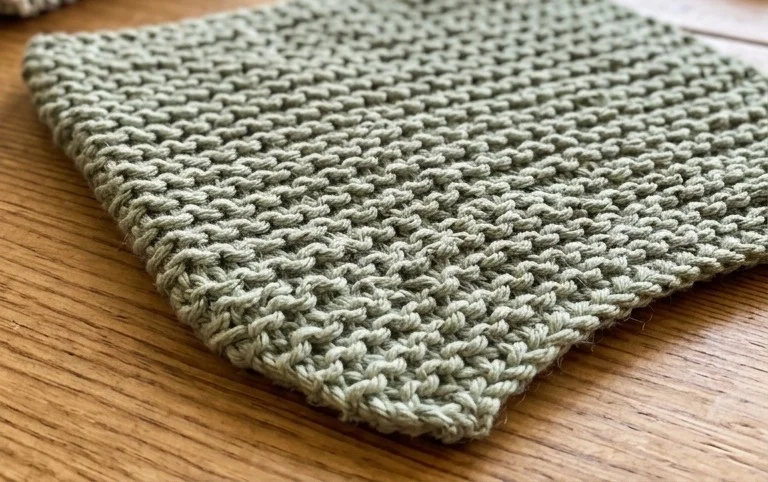
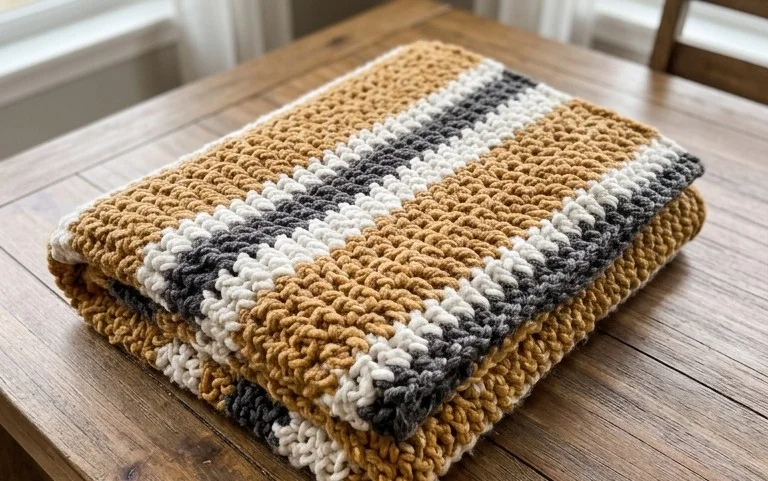
Your finished dishcloth is ready for the kitchen sink, offering a functional piece that brings a handmade touch to daily chores. For a more colorful result, try alternating your yarn every two rounds to create stripes that pop against a white countertop. Sharing a photo of your work on Instagram helps others see how your specific color choices turn out. Feel free to browse our other free pattern collections for more projects that build your skills one stitch at a time while keeping your hands busy on quiet afternoons.