Rose Witch Hat Crochet Pattern: Free Beginner Tutorial
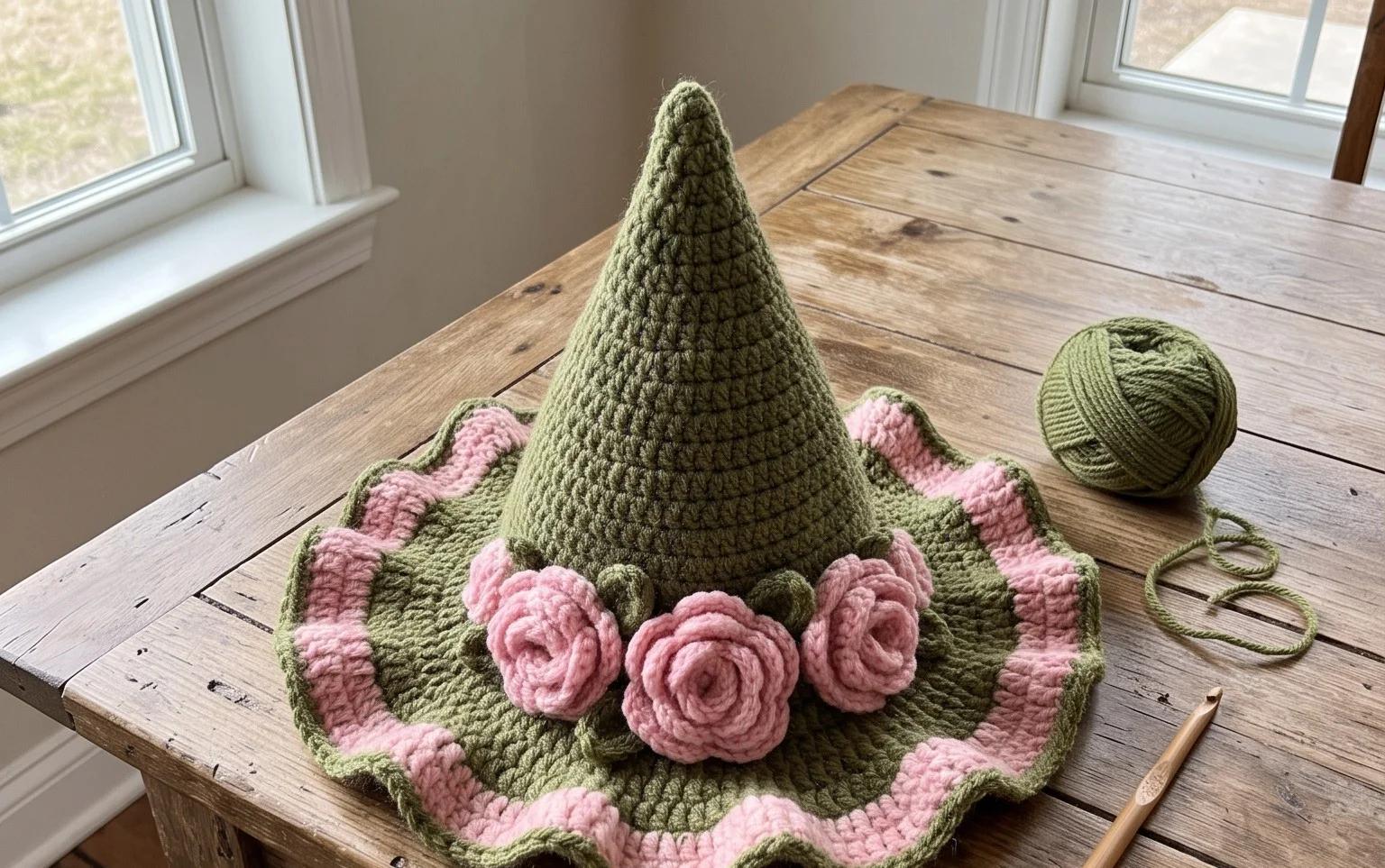
This conical accessory features a structured, firm brim and a soft pointed crown that holds its shape through a combination of dense stitches and tension control. It appeals to crafters who want a decorative item for seasonal displays or costume parties without spending weeks on construction. Beginners appreciate the repetitive nature of the foundation, which builds confidence quickly. You will master the basic increase method and circular joining technique throughout these instructions. The final piece feels sturdy in your hand, offering a balance between whimsical charm and clean construction that makes this seasonal project a rewarding afternoon endeavor.
Why This Project Is Worth Making
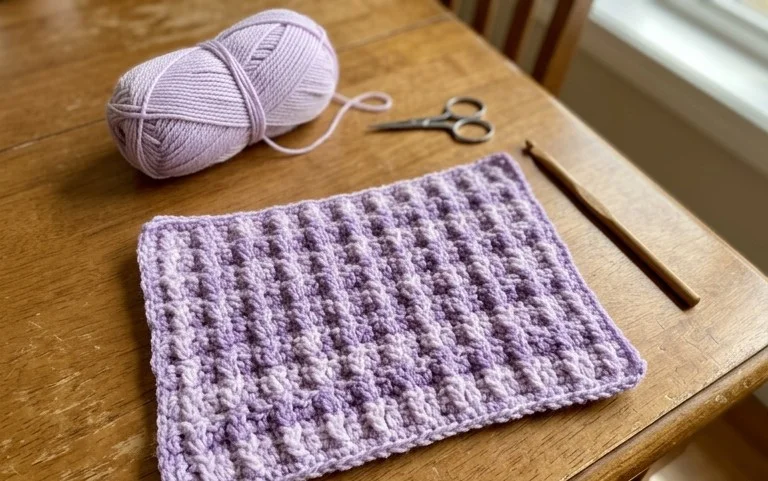
This classic crochet dishcloth pattern uses the linen stitch, also known as the moss stitch, to create a dense fabric with a slight texture that excels at scrubbing dishes. Because it is worked in a simple repeat of single crochet and chain stitches, it allows you to practice consistent tension without complex shaping. You can finish a single cloth in about an hour, making it an ideal choice for using up small amounts of leftover cotton yarn from your stash. The resulting fabric is sturdy enough to withstand repeated washing yet remains flexible enough to reach into tight corners of glassware.
I was able to whip up three of these for a housewarming gift in one evening. The texture is much more effective than the store-bought sponges I usually reach for.
— Sarah, home crafter
Pattern Overview & Skill Level
- Skill Level: Beginner
- Approximate Time: 60 minutes per cloth
- Construction: Worked in flat rows back and forth, starting with a foundation chain and finishing with a simple border.
- Finished Dimensions & Sizing: Approximately 8 inches by 8 inches.
Materials & Supplies Needed
- Yarn: Worsted weight (#4), 100% cotton, approximately 60-70 yards per cloth.
- Hook Size: 5.0 mm / H-8.
- Notions needed: Tapestry needle for weaving in ends, sharp scissors.
- Safe yarn substitutions: You may use a cotton-acrylic blend, but ensure the cotton content is at least 50% to maintain absorbency. Using 100% acrylic yarn will result in a cloth that repels water rather than soaking it up, and may melt if used on hot surfaces.
Stitch Guide & Abbreviations (US Terms)
- ch = chain
- sc = single crochet
- st/sts = stitch/stitches
- sk = skip
- sp = space
- sl st = slip stitch
- Linen Stitch: A pattern created by alternating single crochet stitches and chain spaces, where the single crochet of the new row is worked into the chain-one space of the previous row.
Step-by-Step Pattern Instructions
Main Cloth Body
- Row 1: Ch 32. Sc in the 4th ch from the hook. Ch 1, sk 1 ch, sc in the next ch. Repeat from * to * across. Turn. (16 sc, 15 ch-1 sps).
- Row 2: Ch 2 (counts as ch-1), sk the first sc, sc in the first ch-1 sp. Ch 1, sk the next sc, sc in the next ch-1 sp. Repeat from * to * across, ending with a sc in the turning ch-space. Turn. (16 sc, 15 ch-1 sps).
- Rows 3-30: Repeat Row 2. Your work should now measure approximately 8 inches in height. Do not fasten off.
Border and Finishing
- Border Rnd: Ch 1. Work sc evenly around all four sides of the square, placing 3 sc in each corner to keep the fabric lying flat. Join with a sl st to the first sc.
- Finishing: Fasten off the yarn, leaving a 6-inch tail. Weave the yarn end securely into the back of the work using your tapestry needle, ensuring the end is hidden within the stitches to prevent it from fraying during washing.
Care & Washing Instructions
- Machine wash on a warm setting (up to 104°F) with like colors.
- Tumble dry on low heat or lay flat to air dry to prevent the cotton fibers from shrinking excessively.
- Reshape the cloth while damp if it loses its square form after the laundry cycle.
Pro Tips & Common Mistakes to Avoid
Maintain consistent tension by holding your yarn with a steady grip throughout the row. If your stitches become too tight, you will find it difficult to insert your hook into the chain spaces on the following row. Always use a stitch marker in the first stitch of every row until you become comfortable identifying the turning chain-space, as this is the most common place to accidentally skip a stitch. Weave your ends in by passing the needle through the center of several sc stitches in different directions to ensure they do not pull out. If you wish to make a larger cloth, simply increase your starting foundation chain by an even number; keep in mind this will require more yardage than the standard 8-inch size.
Frequently Asked Questions
Can I use a larger hook for this pattern?
Yes, using a larger hook will make the cloth drape better and work up faster, but it will create larger gaps in the linen stitch which reduces the scrubbing power of the cloth.
Why does my square look like a trapezoid?
This usually happens if you miss the final chain-space at the end of a row. Always count your stitches at the end of every row to ensure you have 16 single crochets.
Is this pattern suitable for a total beginner?
Yes, it is excellent for beginners because it uses only the single crochet and chain stitch, providing ample practice for identifying stitches and keeping edges straight.
Can I sell the dishcloths I make from this pattern?
You are welcome to sell finished items created from this pattern, provided you credit the design. Please do not sell or distribute the digital pattern file itself.
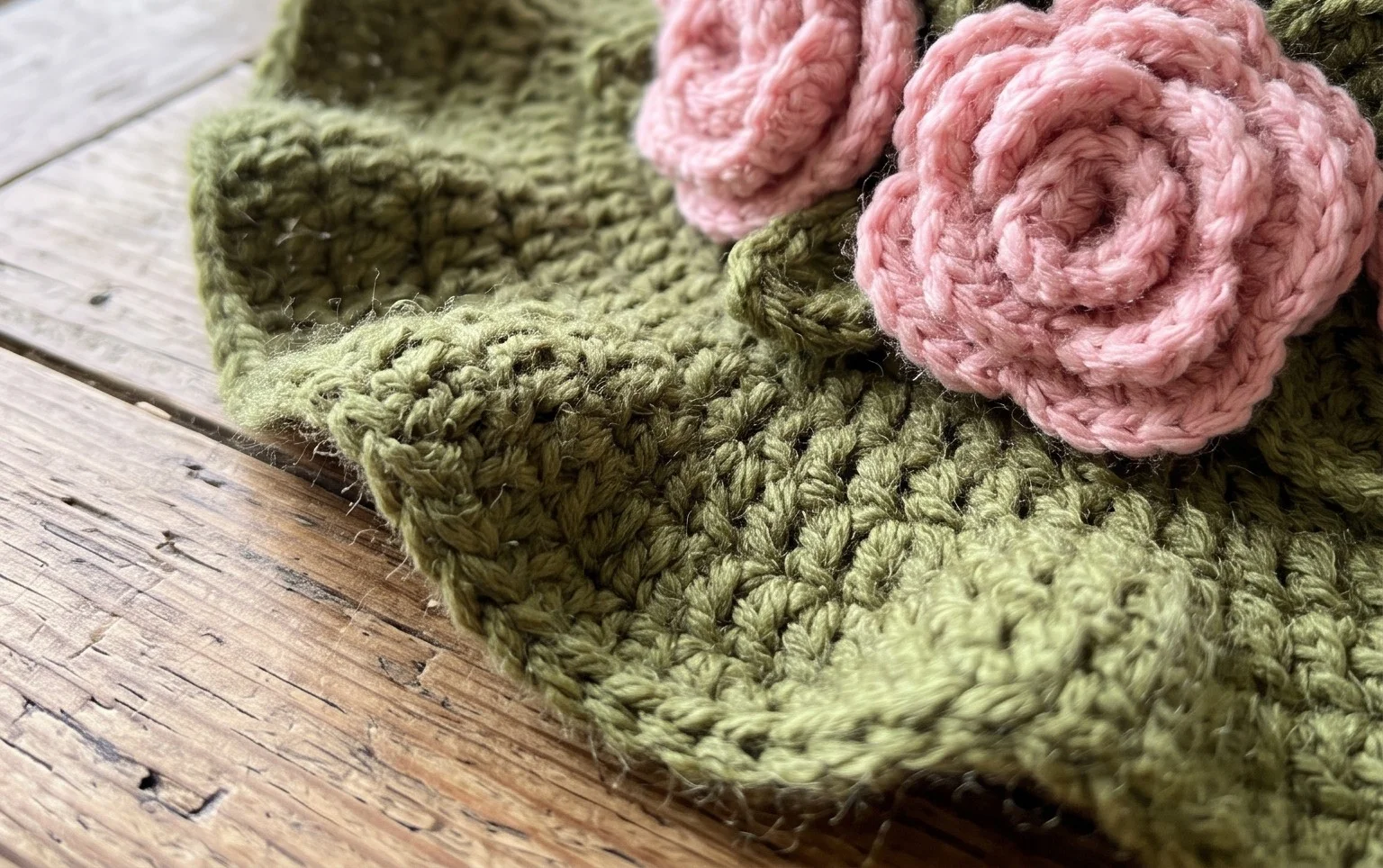
Finishing this pointed headpiece gives you a wonderful, festive addition to your home decor or a costume outfit that you can customize endlessly. Consider working the base in a variegated yarn to give it an autumnal, woodland appearance or adding a simple felt ribbon for extra detail. Sharing photos of your finished work helps others visualize their own color palettes, so please post yours online for the community to see. You can find more free seasonal projects and accessory guides by browsing our full blog archive.