Glamorous Unicorn Amigurumi: Free Beginner Crochet Pattern
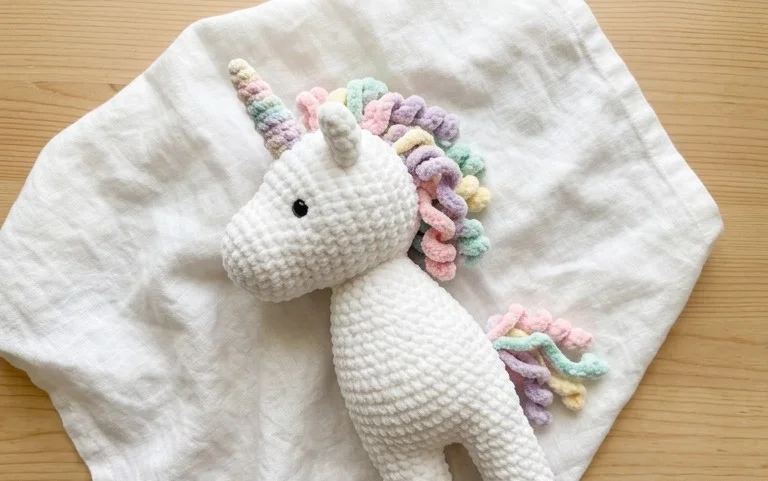
A soft unicorn with a golden horn and a silky mane brings a touch of magic to any shelf or bedside table. These dolls have a firm, rounded shape that sits securely on a flat surface, making them popular gifts for young children or fans of fantasy creatures. You will find that stitching the small body parts together is deeply satisfying, as the personality of the character emerges with every round. We cover the construction of the head, the shape of the snout, and the best way to attach the mane without tangling your yarn loops. This project provides a clear path for those wanting to practice increasing and decreasing stitches in the round.
Why Crocheters Love It
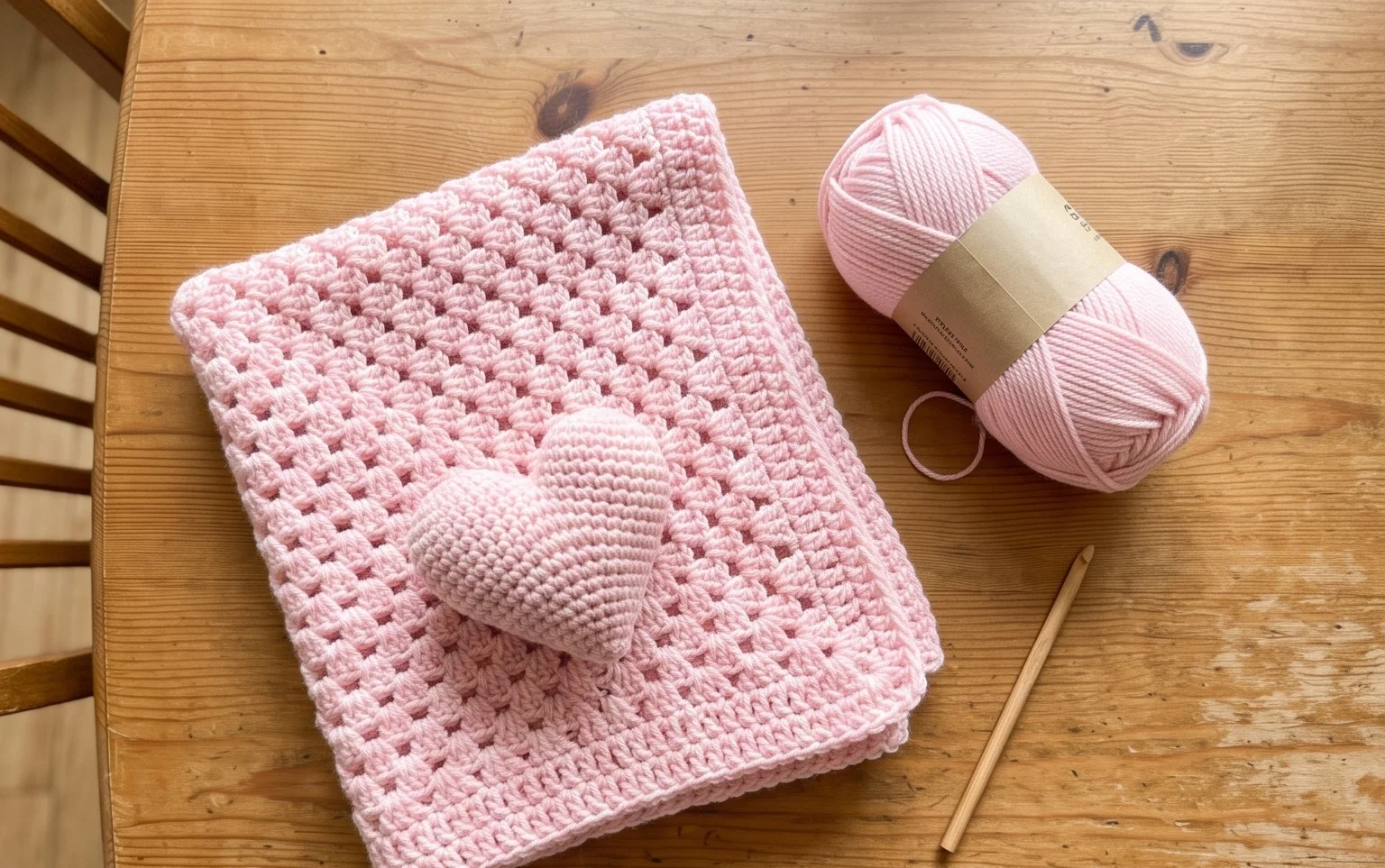
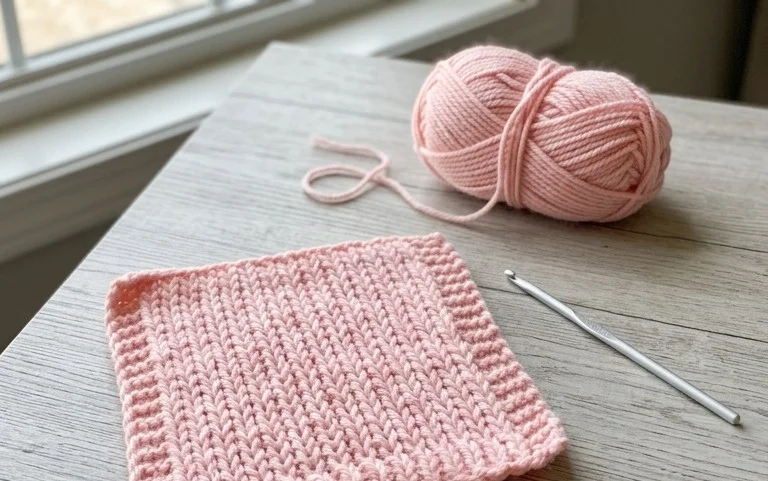
The Classic Granny Square Dishcloth is a foundational project that teaches the fundamental rhythm of crochet. It works up quickly using simple double crochet stitches clustered into groups, creating a fabric with plenty of texture and airflow. Because you work in rounds from the center outward, you can easily control the size of your final piece, making it a highly practical scrap-yarn project. The resulting weave is durable enough for daily scrubbing yet soft enough to handle gentle surface cleaning.
I managed to whip up three of these in a single evening while watching a movie. They are the perfect size for my kitchen and hold up surprisingly well after multiple trips through the washing machine.
— Sarah, home crafter
Pattern Overview & Skill Level
- Skill Level: Beginner
- Approximate Time: 45–60 minutes per square
- Construction: Worked in continuous rounds from the center outward, forming a square shape through corner increases
- Finished Dimensions & Sizing: Approximately 8 x 8 inches
Materials & Supplies Needed
- Yarn: Worsted weight (#4), 100% cotton yarn, approximately 40–50 yards per dishcloth. Cotton is necessary for its absorbency and heat resistance.
- Hook Size: 5.0 mm (H-8).
- Notions: Tapestry needle for weaving in ends, sharp scissors.
- Safe yarn substitutions: You may use a cotton-linen blend for increased durability, though a 100% synthetic yarn like acrylic is not recommended as it will not absorb water. Using a different fiber may change the final drape and absorbency level.
Stitch Guide & Abbreviations (US Terms)
- ch = chain
- sl st = slip stitch
- dc = double crochet
- dc-cluster = 3 dc stitches worked into the same space
- sp = space
- st(s) = stitch(es)
- Rnd = round
Step-by-Step Pattern Instructions
Center and Base Rounds
Rnd 1: Start with a magic ring. Ch 3 (counts as first dc here and throughout), work 2 dc into the ring, ch 2, *3 dc into ring, ch 2; repeat from * twice more. Join with a sl st to the top of the beginning ch 3. (12 dc, 4 ch-2 spaces)
Rnd 2: Sl st into the next 2 sts and into the first ch-2 corner space. Ch 3, 2 dc in same space, ch 2, 3 dc in same space (first corner made). *Ch 1, skip 3 sts, in next ch-2 corner space work (3 dc, ch 2, 3 dc); repeat from * twice more. Ch 1, join with sl st to top of beginning ch 3. (24 dc, 4 ch-2 spaces, 4 ch-1 spaces)
Expanding the Square
Rnd 3: Sl st into the next 2 sts and into the first ch-2 corner space. Ch 3, 2 dc in same space, ch 2, 3 dc in same space. *Ch 1, 3 dc in next ch-1 space, ch 1, work corner (3 dc, ch 2, 3 dc) in next ch-2 space; repeat from * twice more. Ch 1, 3 dc in next ch-1 space, ch 1, join with sl st to top of beginning ch 3. (36 dc, 4 ch-2 spaces, 8 ch-1 spaces)
Rnd 4 to 8: Continue in established pattern. In each corner ch-2 space, work (3 dc, ch 2, 3 dc). In each ch-1 space along the sides, work 3 dc. Between all clusters, work ch 1. At the end of each round, join with a sl st to the top of the beginning ch 3. Increase by 12 dc each round.
Finishing
Once you reach your desired 8-inch width, fasten off the yarn, leaving a 6-inch tail. Pull the tail through the final loop to secure. Use your tapestry needle to weave the yarn tail through the back loops of the finished stitches for at least two inches to ensure the project does not unravel during washing.
Care & Washing Instructions
- Machine wash your cotton dishcloths in warm water on a gentle cycle to remove oils and residue.
- Lay the cloth flat on a clean towel to air dry, which helps maintain the square shape.
- If the corners begin to curl after washing, gently tug them into place while the fabric is slightly damp to reshape the square.
Pro Tips & Common Mistakes to Avoid
Tension consistency is essential for dishcloths. If your stitches are too loose, the fabric will be flimsy and won’t scrub effectively; if they are too tight, the square will bunch up. Use a stitch marker on your starting ch 3 to easily identify the end of the round. When working clusters into ch-1 spaces, make sure you are not accidentally skipping a stitch, as this is the most common cause of a skewed square. You can adjust the size simply by adding or omitting rounds, keeping in mind that each round requires approximately 6 additional yards of yarn.
Frequently Asked Questions
Can I use acrylic yarn for these dishcloths?
It is not recommended. Acrylic is a plastic-based fiber that does not absorb water, meaning it will push moisture around surfaces rather than cleaning them effectively.
Why is my square curling at the edges?
Curling usually indicates that your tension is too tight or that you are missing the chain stitches between your clusters. Ensure you maintain a consistent ch-1 between all side clusters.
Is this pattern suitable for someone who has never crocheted before?
Yes, this is an excellent starter project. It uses only the double crochet stitch and requires basic understanding of how to work into chain spaces.
Can I sell the dishcloths I make from this pattern?
You are welcome to sell physical items made from this pattern, provided you credit the designer and use your own photographs for the product listings.
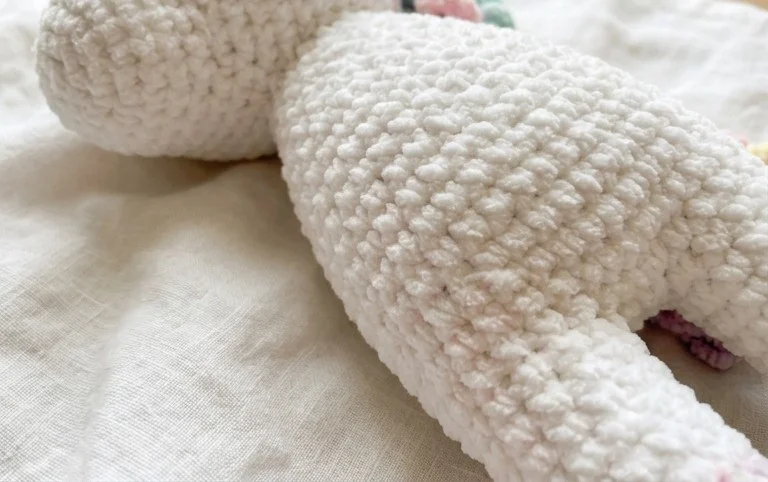
Your finished unicorn looks charming with its pastel body and shimmering horn. You can change the aesthetic of this toy by using a velvet chenille yarn to make a much larger, huggable plushie instead of a small shelf sitter. Taking a photo of your completed creation and posting it to your favorite social media site helps other makers find inspiration for their own yarn stash. Browse our main archives for more free patterns ranging from simple plush toys to practical home items to keep your needles busy during your next afternoon session.